Gifts for Chemists
Structures a chemist will recognise across the room. 1,163 pieces.
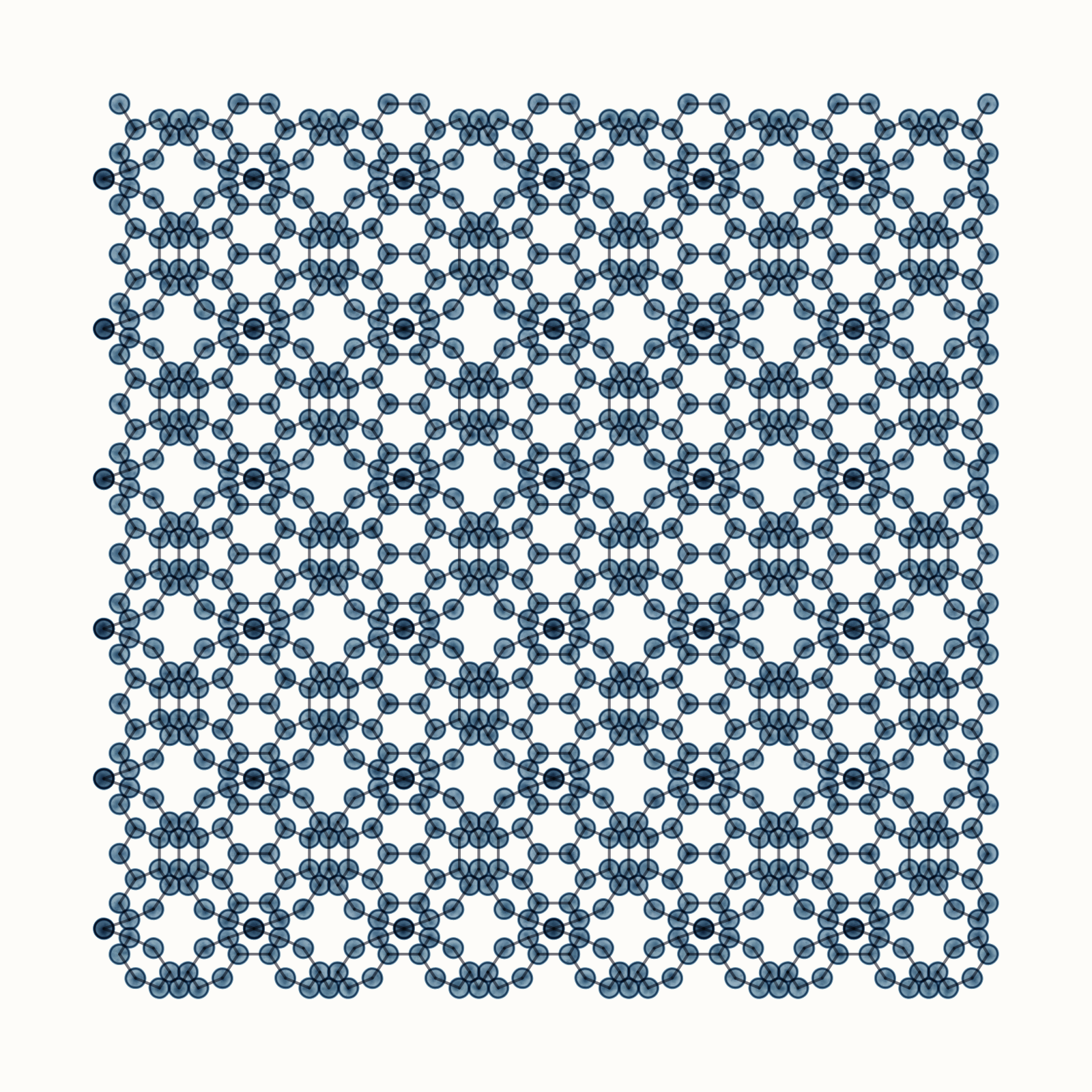
Buckminsterfullerene
cubic · F m -3
from $25.00
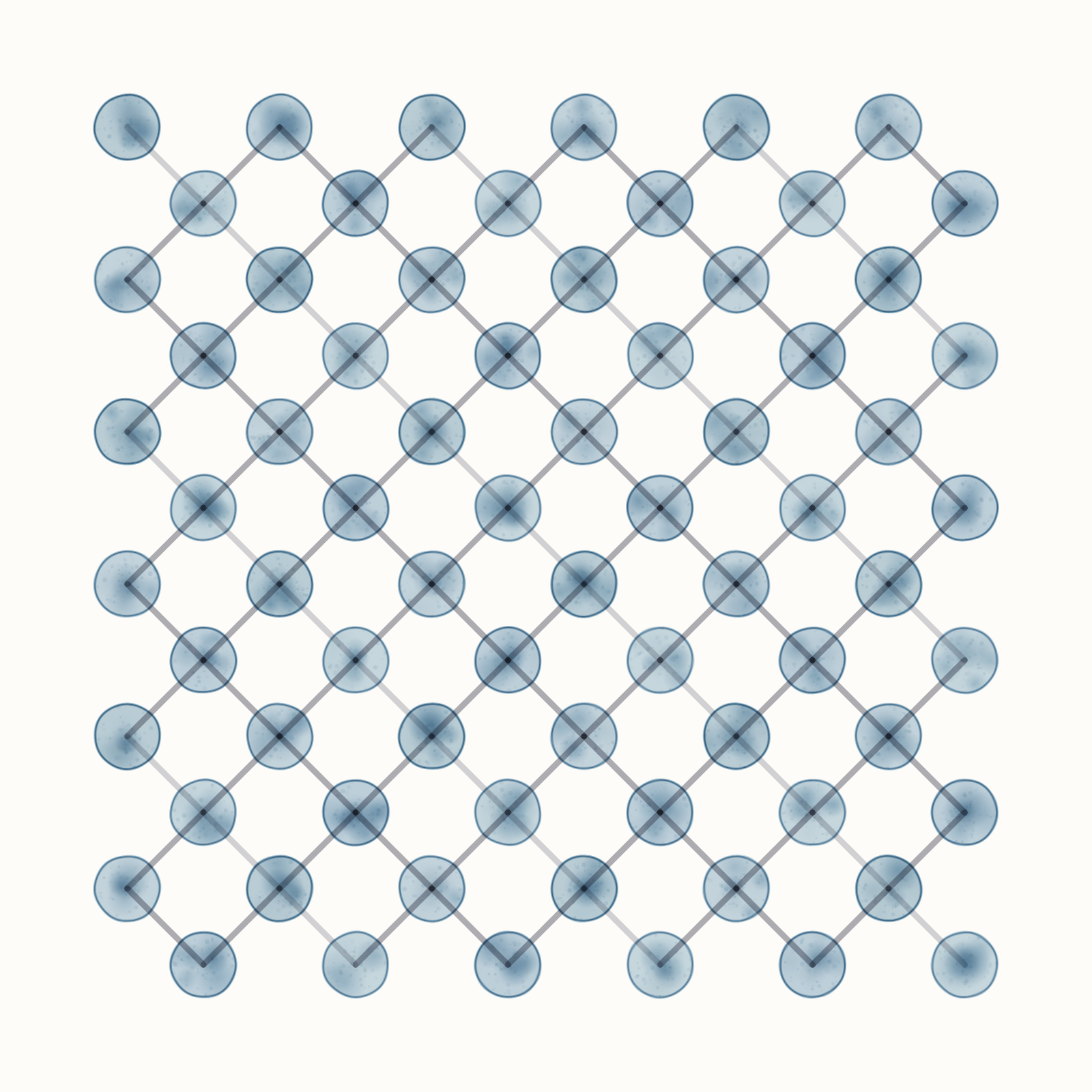
Diamond
The hardest natural material — pure carbon locked in a cubic lattice
from $25.00
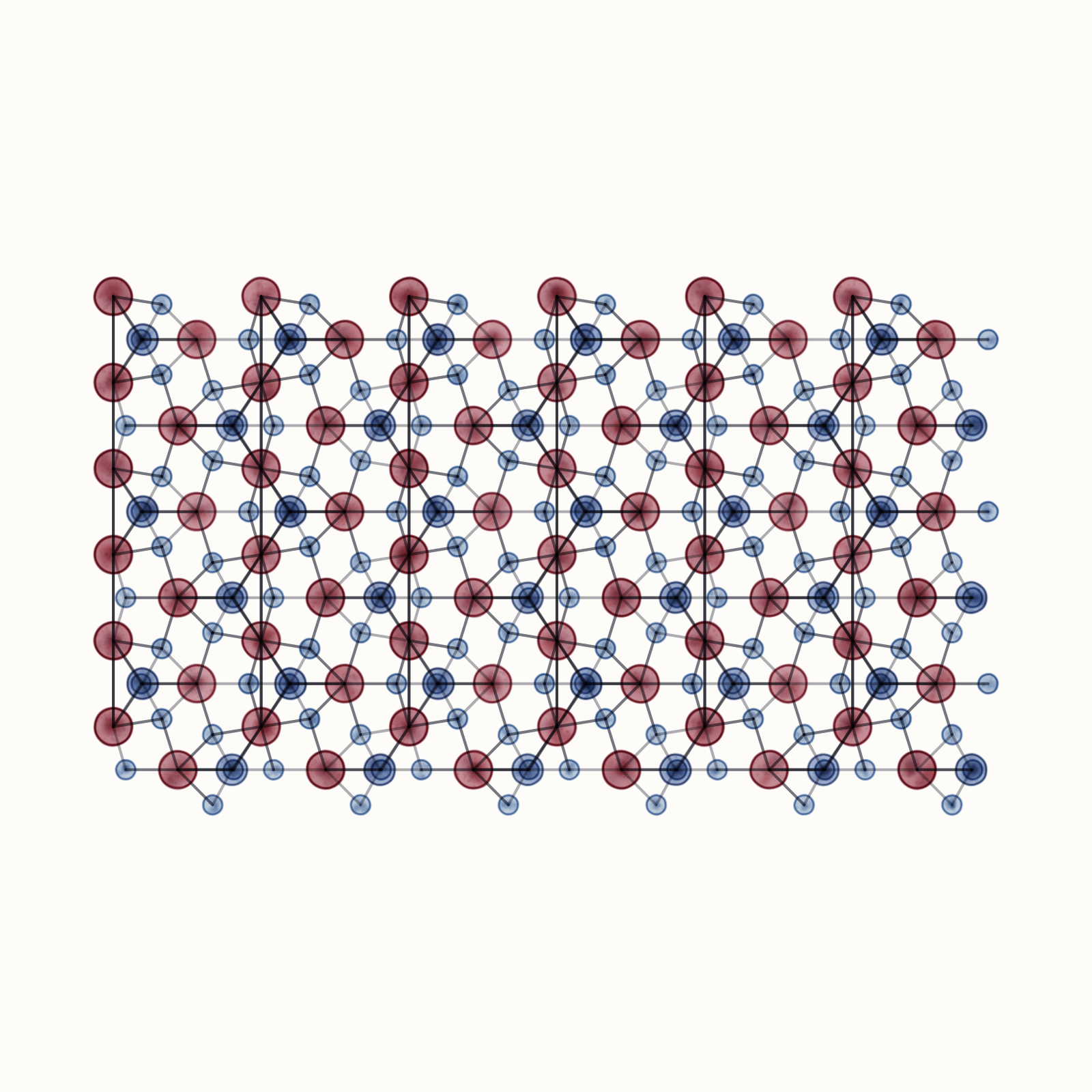
Lithium Iron Phosphate
orthorhombic · P n m a
from $25.00
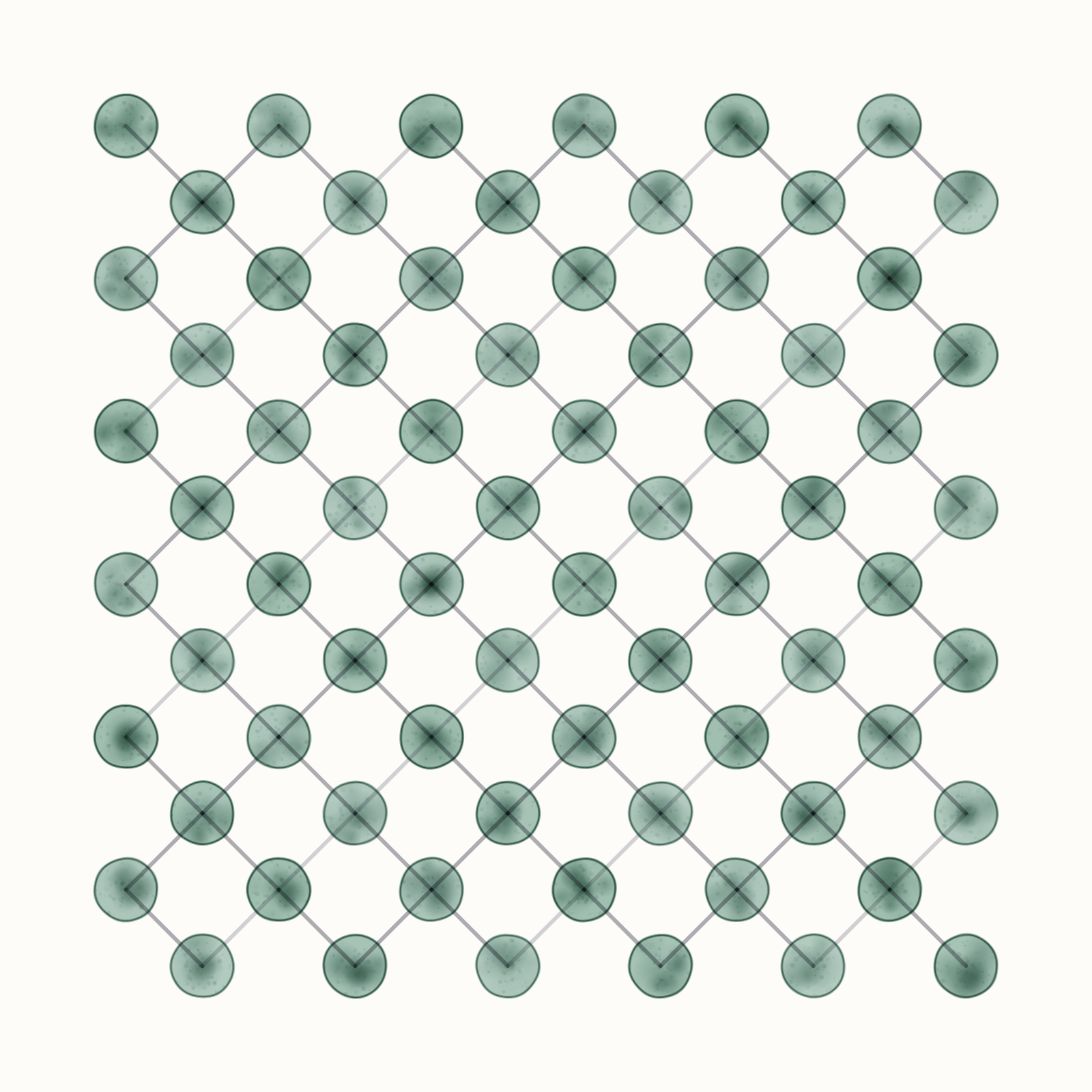
Silicon (Diamond Cubic)
The crystal structure that powers every computer chip and solar panel
from $25.00
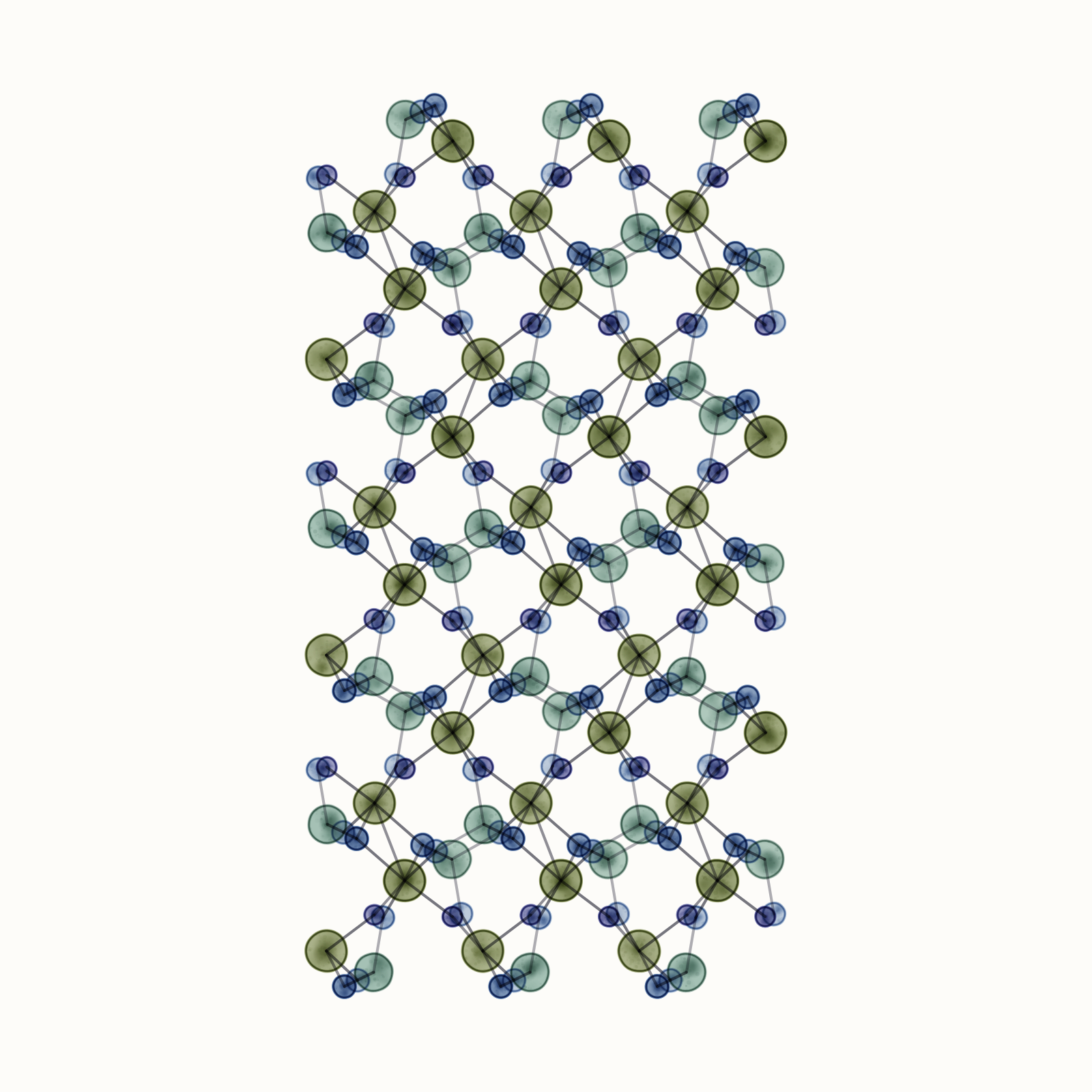
Topaz
A brilliant gemstone prized for its golden and blue hues
from $25.00
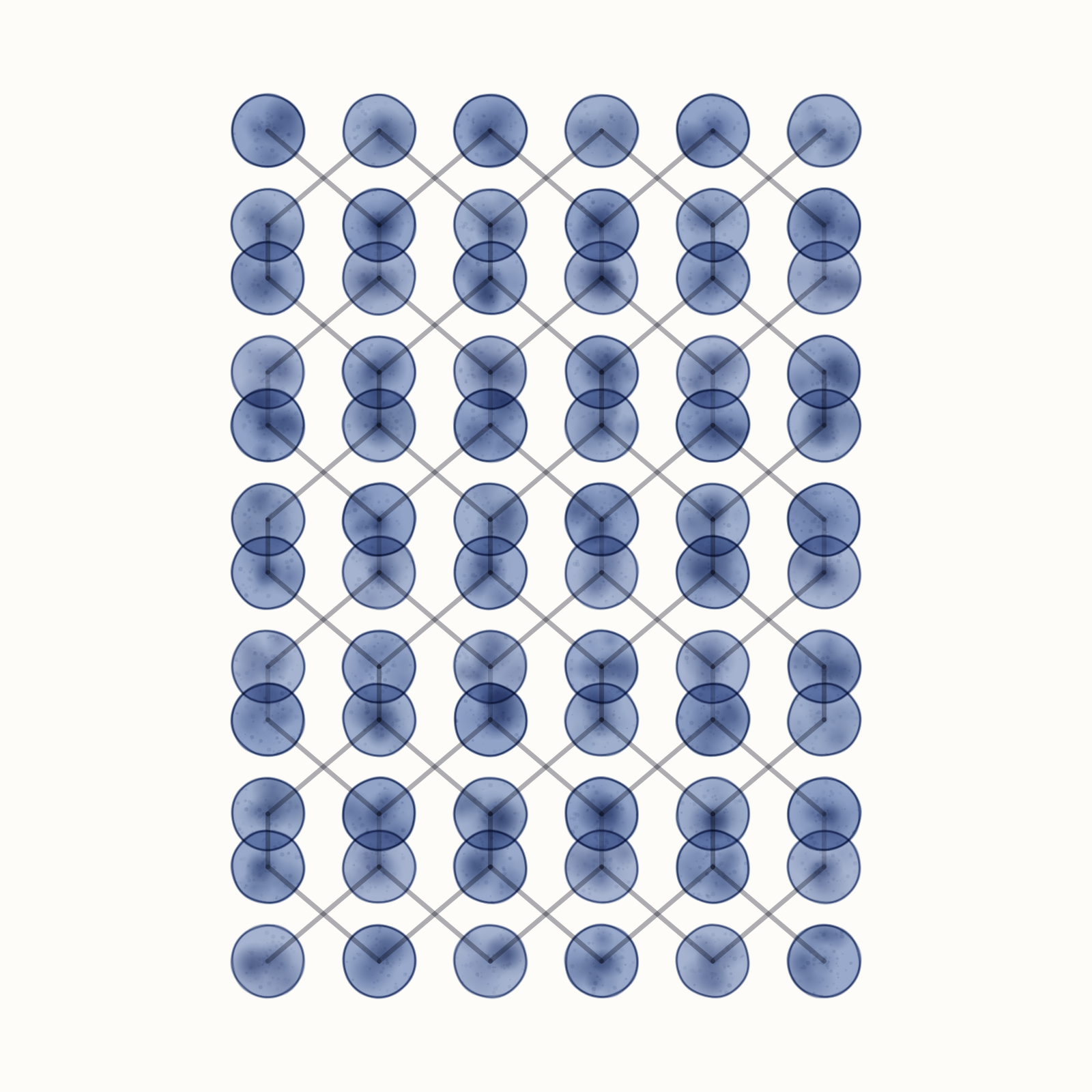
Black Phosphorus
The most stable form of phosphorus — a layered structure like graphite
from $25.00
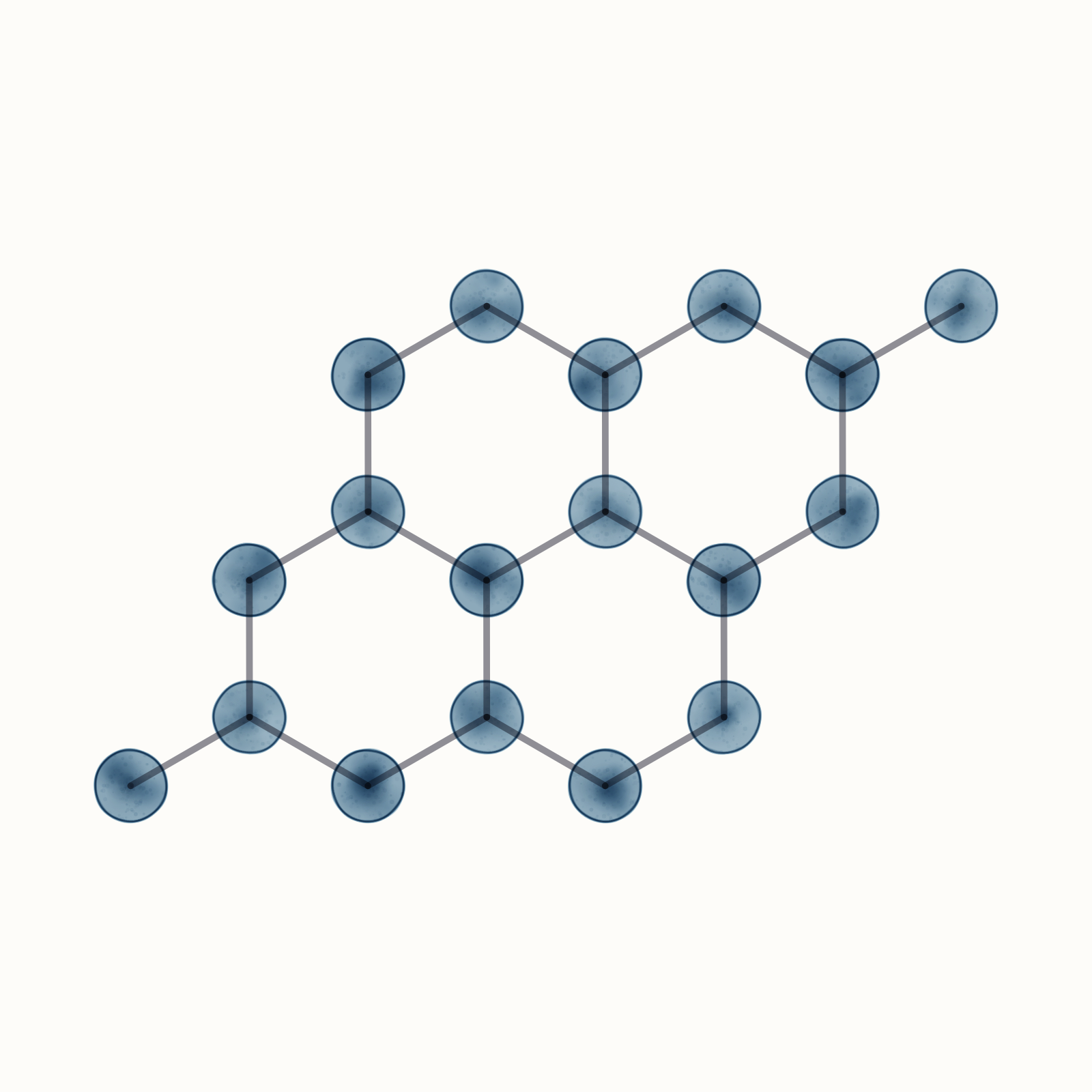
Graphite
The slippery form of carbon in every pencil — flat sheets stacked in perfect layers
from $25.00
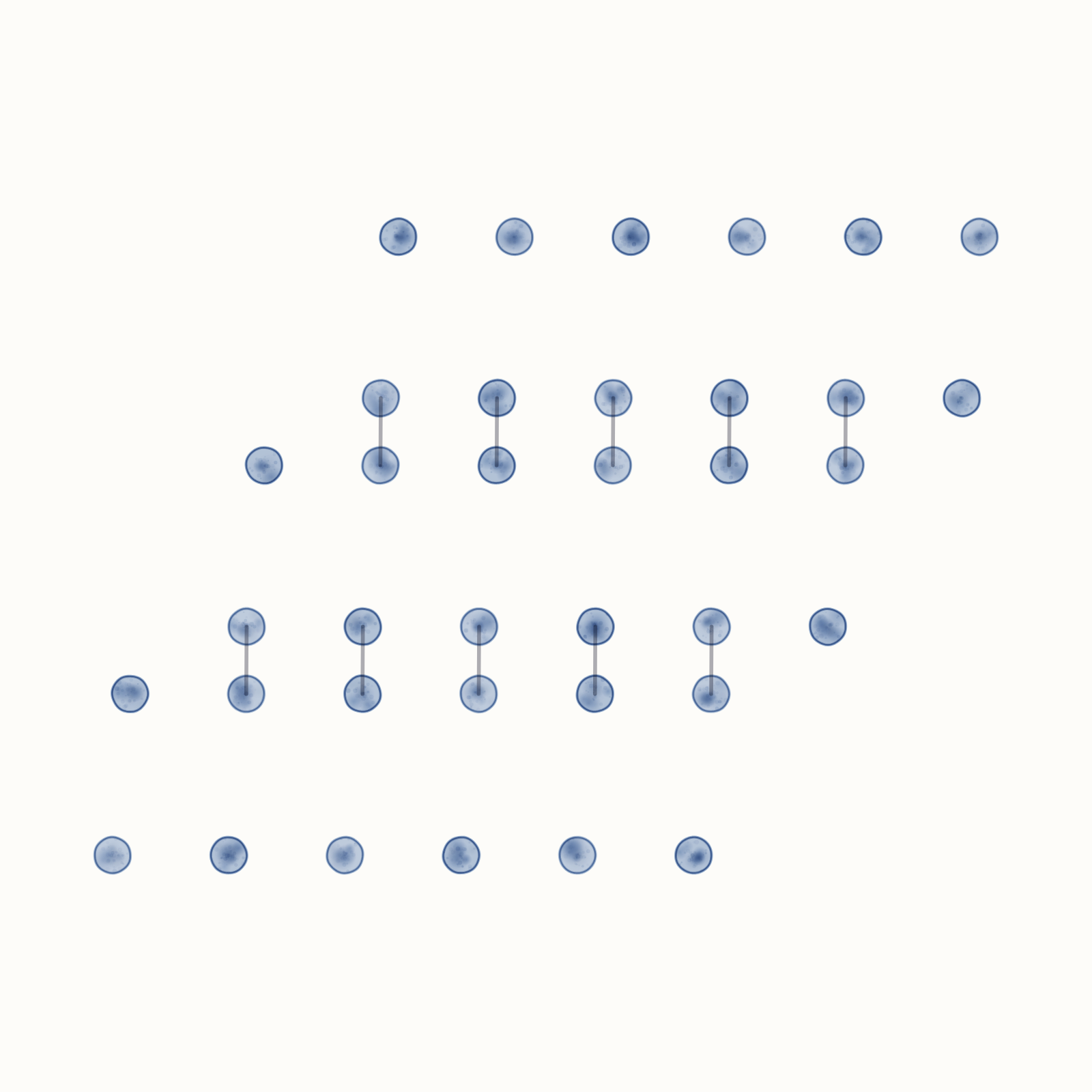
α-Oxygen
The rare solid form of the air we breathe, stable only at extreme cold
from $25.00
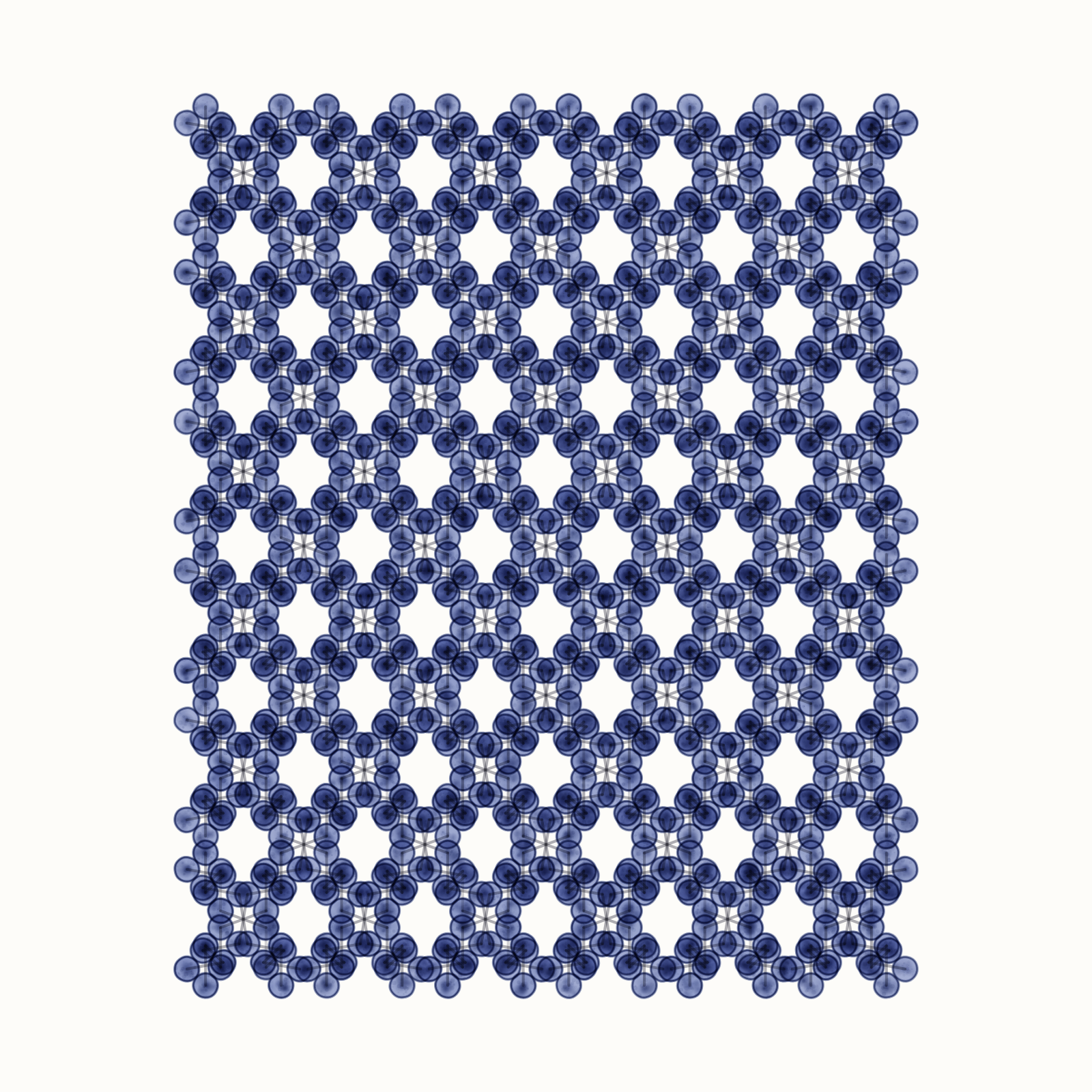
α-Sulfur
The bright-yellow mineral form of sulfur found around volcanoes worldwide
from $25.00
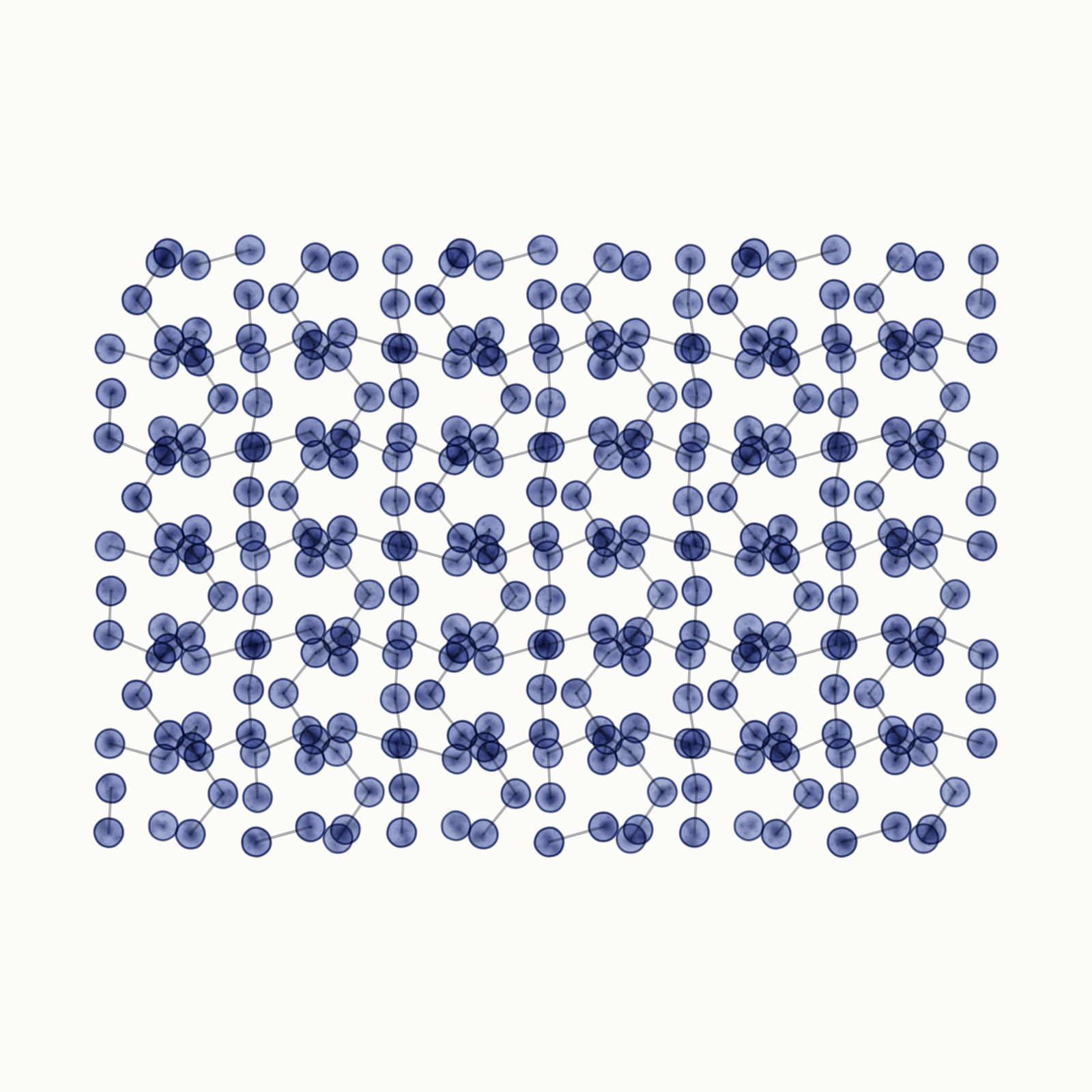
β-Sulfur
A monoclinic form of sulfur that appears when molten sulfur slowly cools
from $25.00
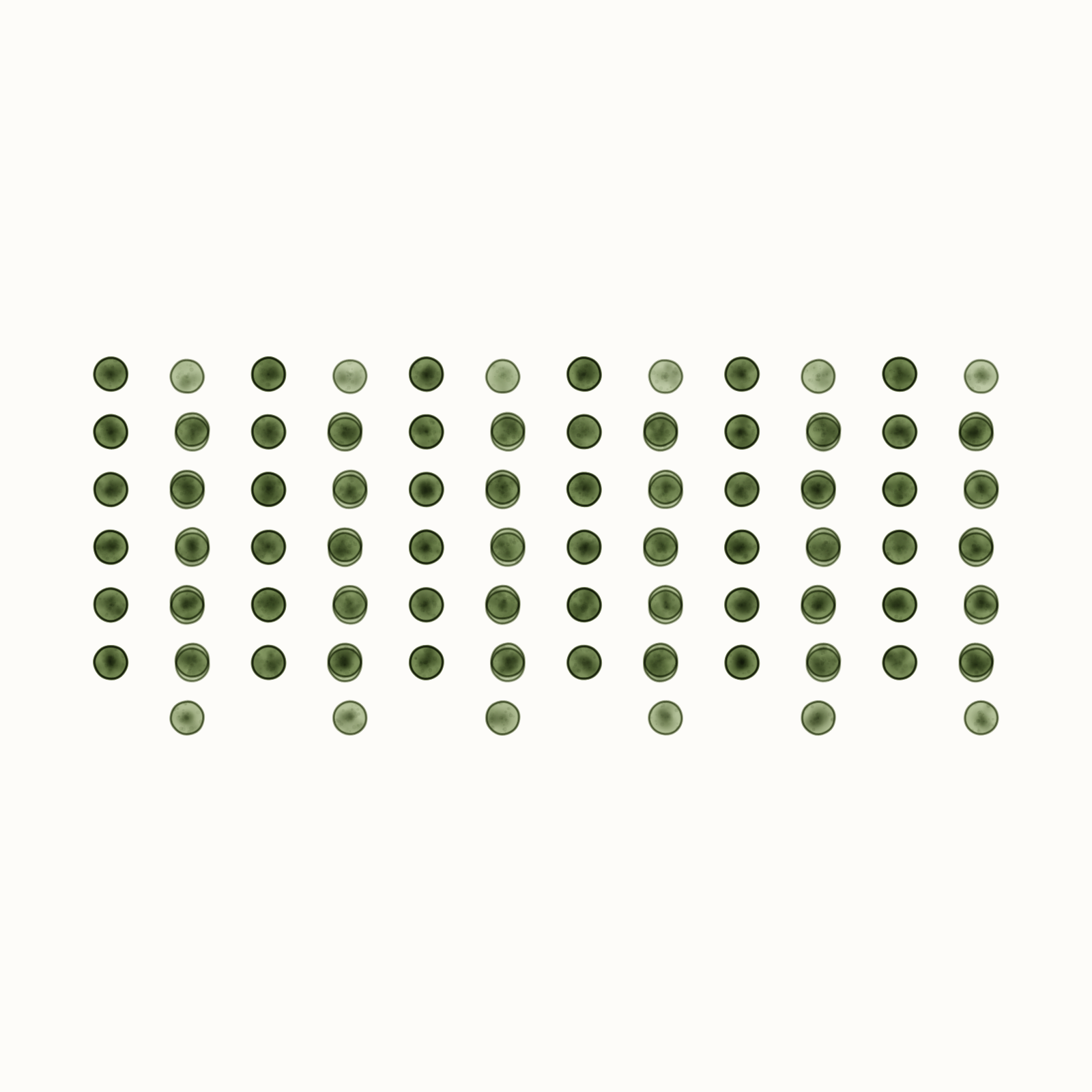
Grey Tin (α-Tin)
The crumbling low-temperature form of tin — infamous as 'tin pest'
from $25.00
White Tin (β-Tin)
The familiar shiny form of tin used in cans and solder
from $25.00
Tungsten Carbide
The super-hard compound behind drill bits and wedding bands alike
from $25.00
Zirconium Dioxide
The ceramic behind dental crowns, knife blades, and cubic zirconia gems
from $25.00
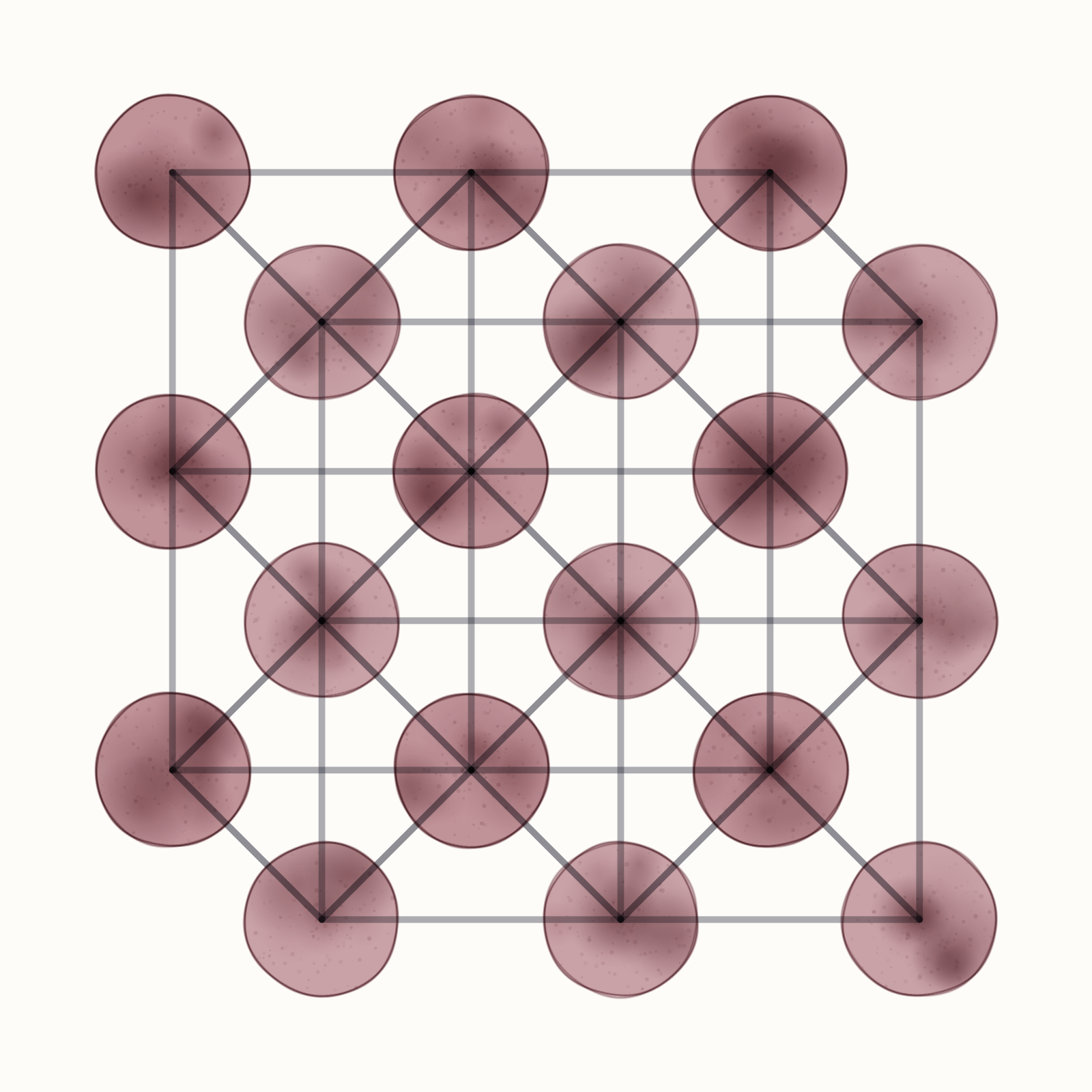
Tungsten (α, BCC)
The stable everyday form of tungsten — the highest-melting pure metal
from $25.00
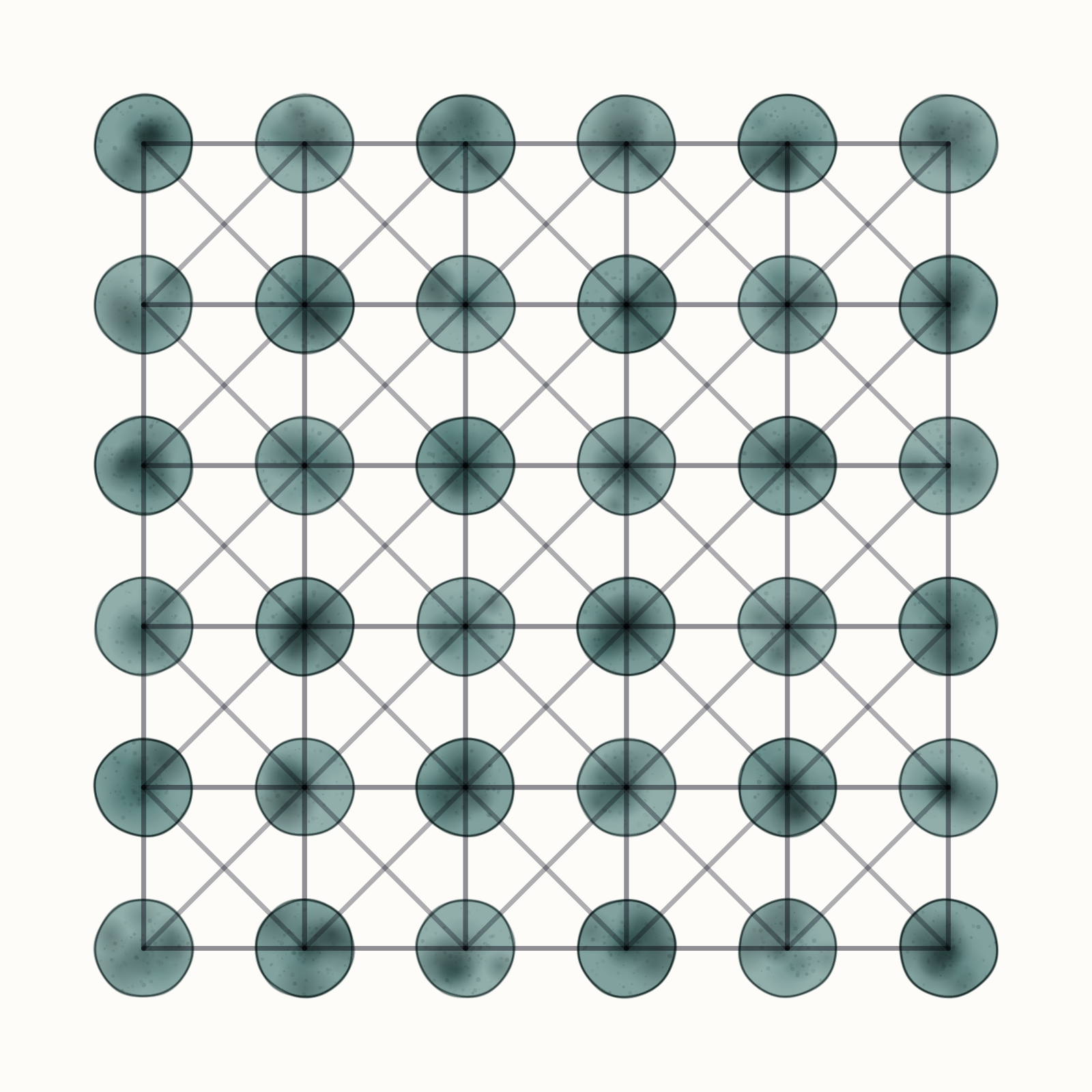
Antimony (FCC phase)
A high-pressure face-centred cubic form of the silvery metalloid
from $25.00
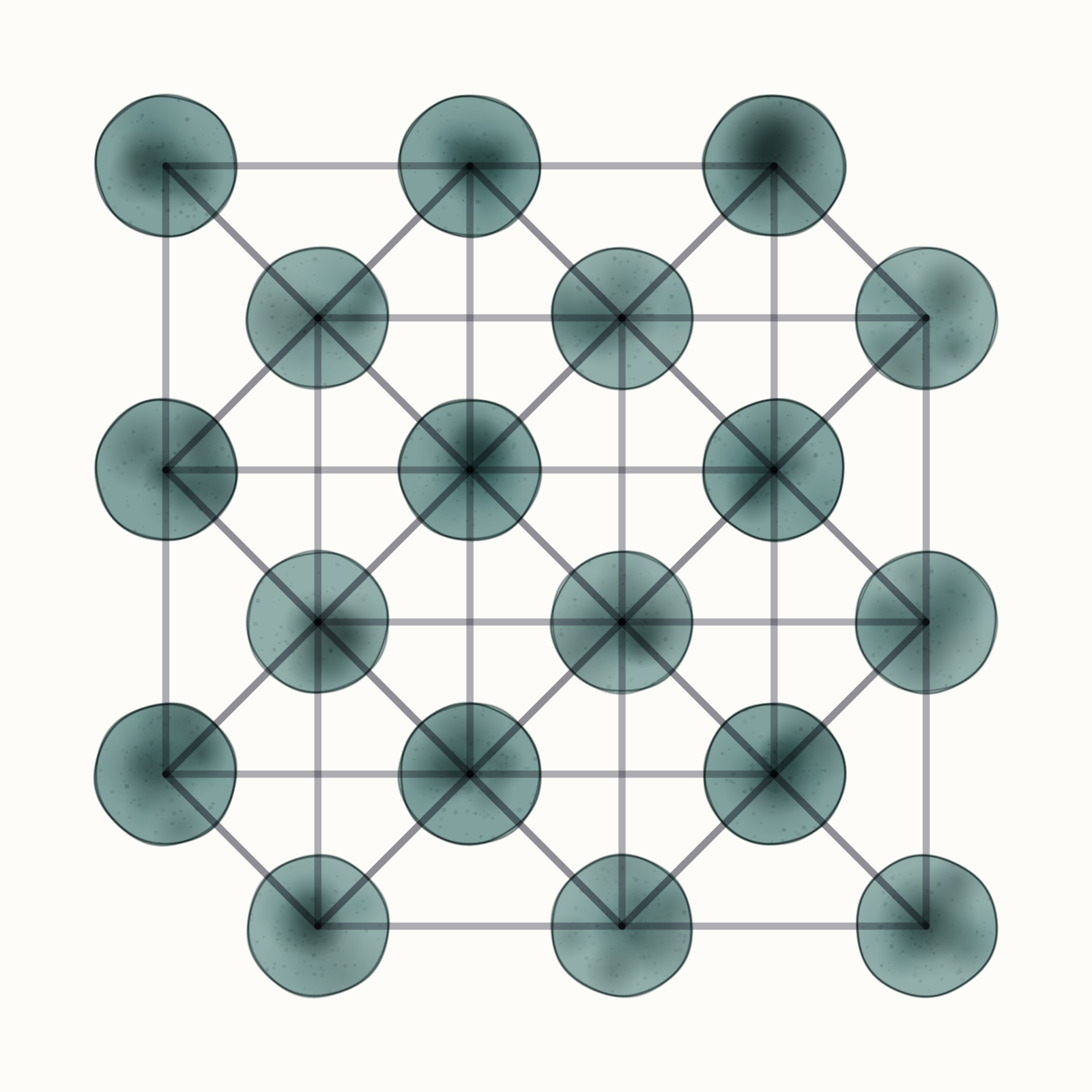
Antimony (Tetragonal phase)
A rare tetragonal high-pressure polymorph of antimony
from $25.00
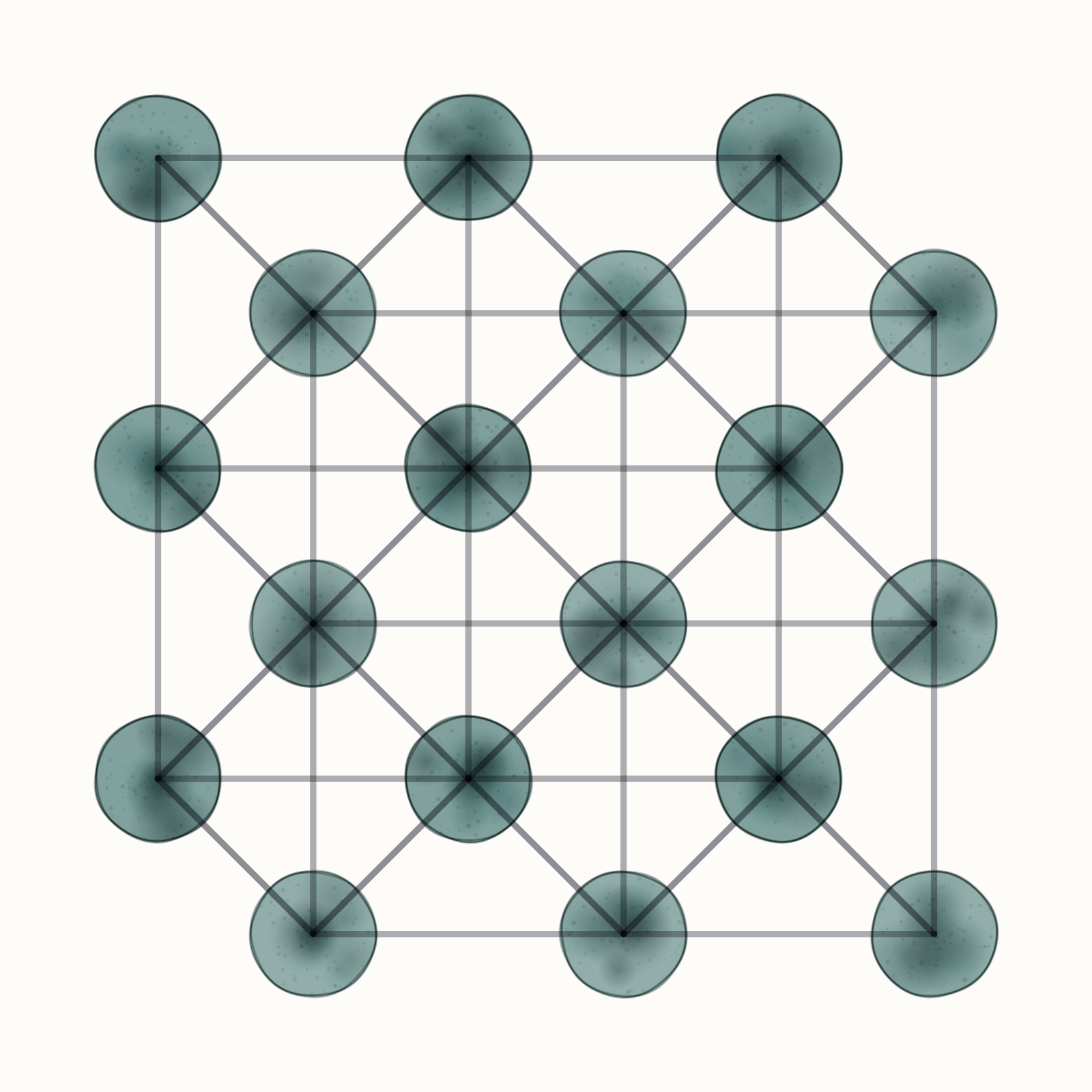
Antimony (BCC phase)
A body-centred cubic high-pressure polymorph of antimony
from $25.00
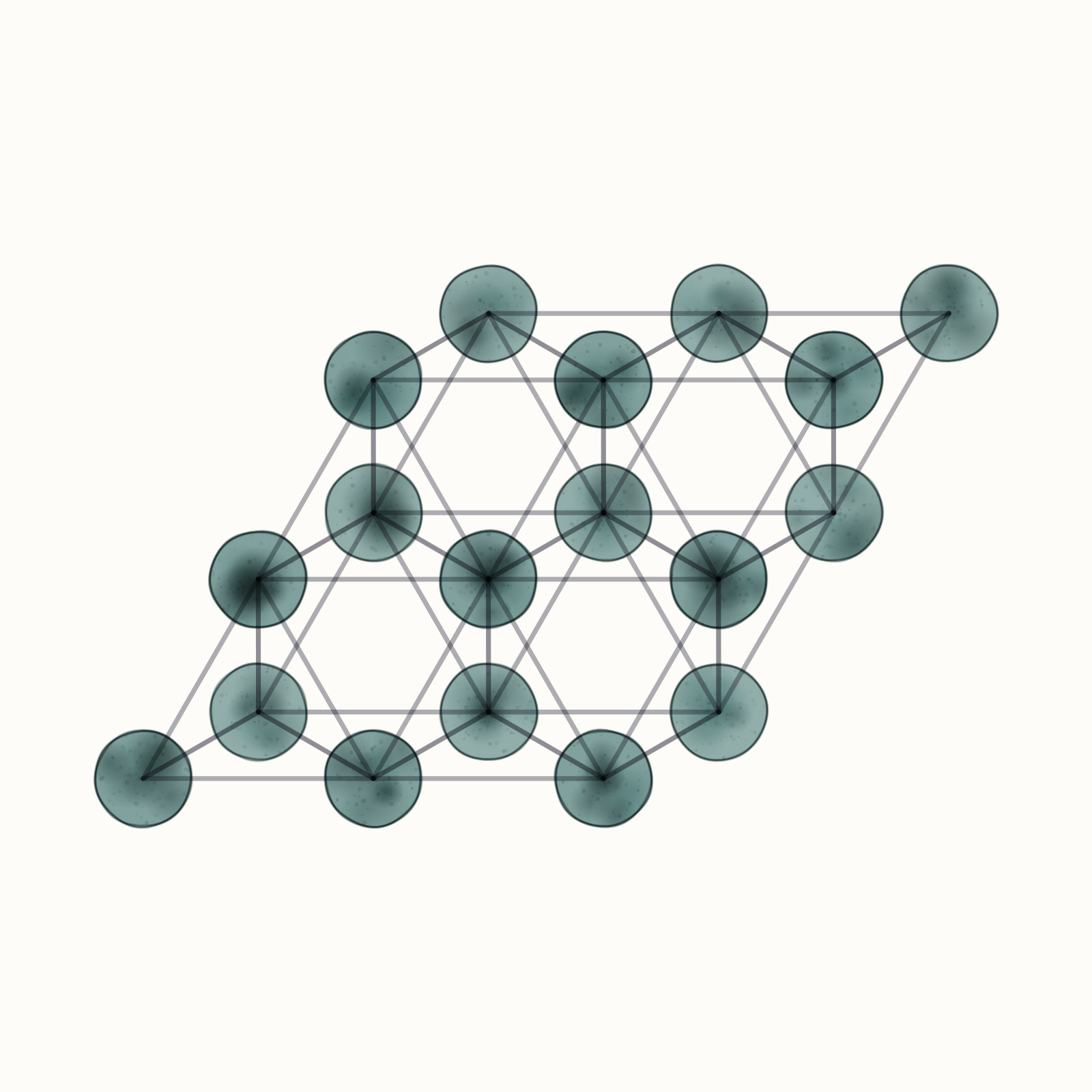
Antimony (Hexagonal phase)
A hexagonal polymorph of antimony stable at high pressure
from $25.00
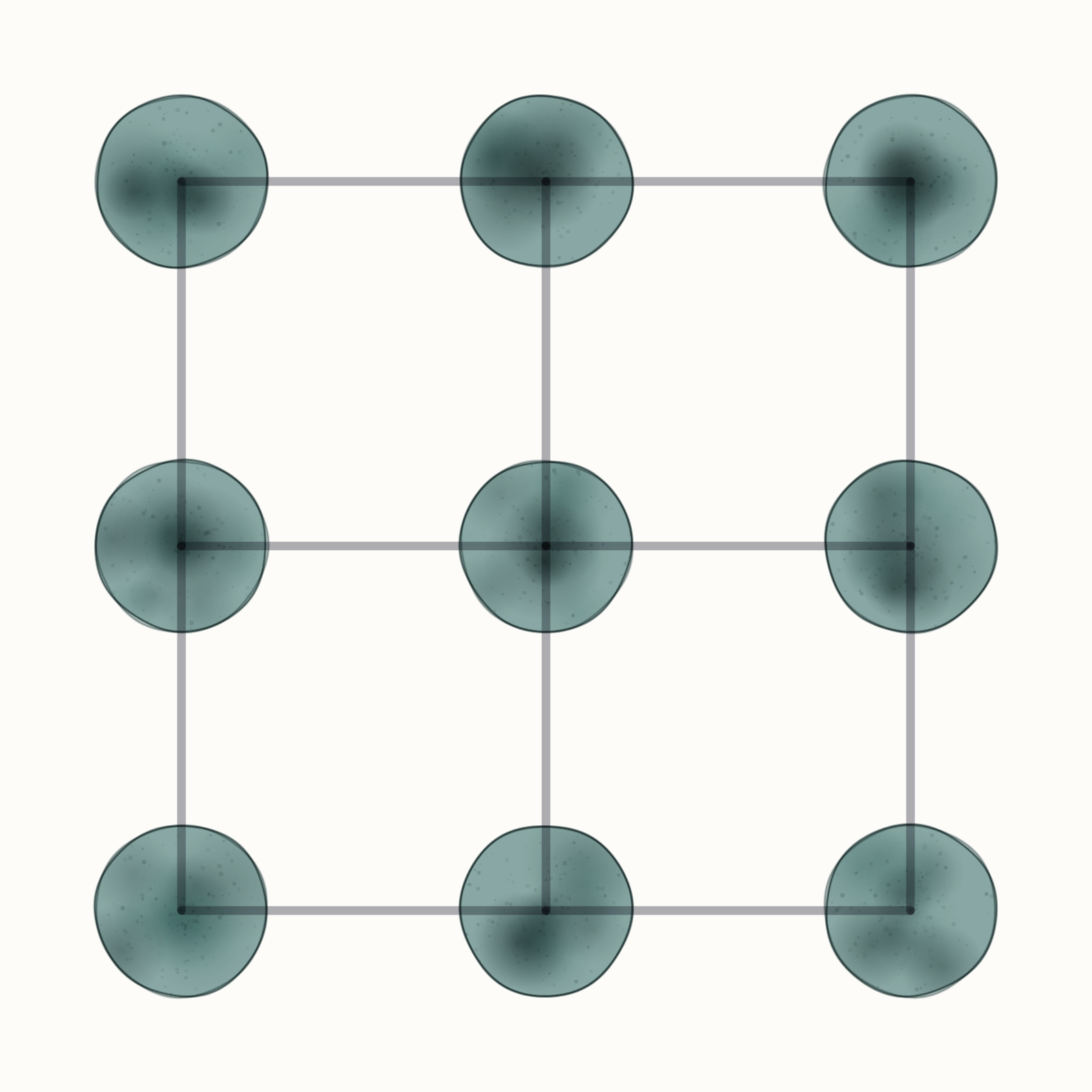
Antimony (Simple Cubic phase)
A simple cubic high-pressure polymorph of antimony
from $25.00
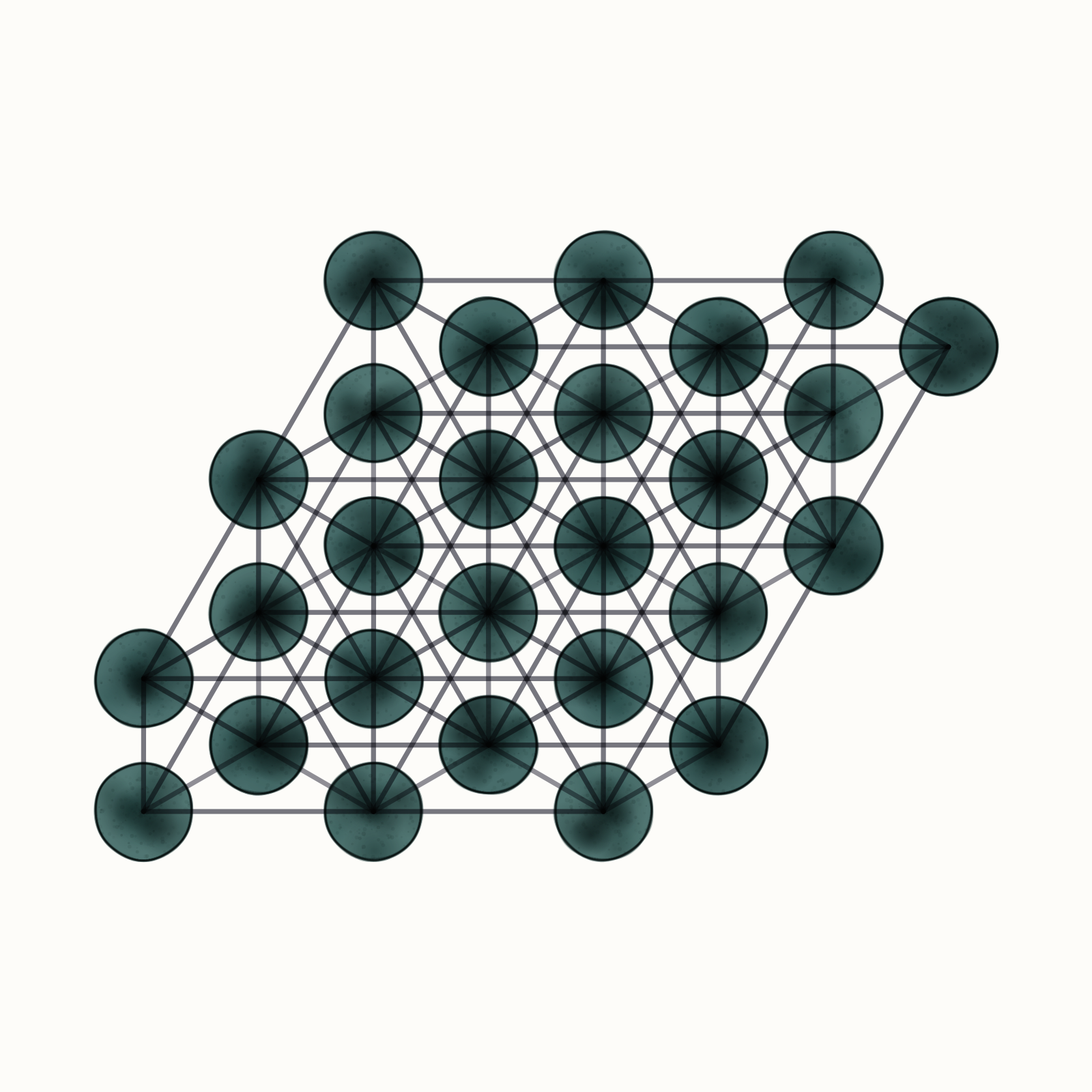
Antimony
A silvery metalloid used in alloys and flame retardants since ancient times
from $25.00
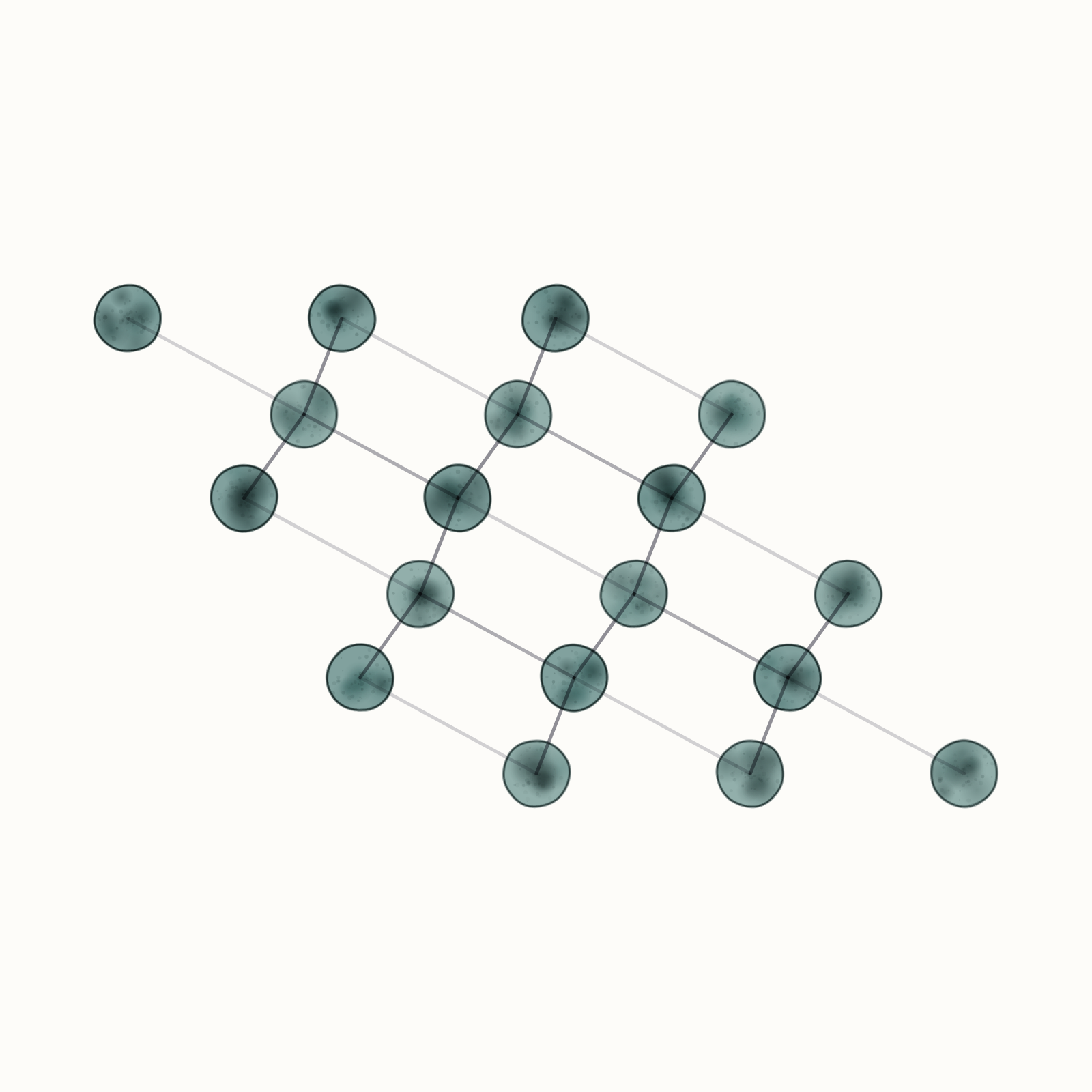
Antimony
A silvery metalloid used in alloys and flame retardants since ancient times
from $25.00
Argon
Solid argon — the noble gas frozen into a face-centred cubic lattice
from $25.00
Arsenic
A high-pressure form of arsenic with an unusual puckered-layer structure
from $25.00